
Security-First Cloud Compliance: Best Practices for HIPAA, PCI, and FINRA

NYC businesses must prioritize security-first cloud compliance for HIPAA, PCI, and FINRA by implementing IAM, encryption, audit logging, incident response, and leveraging local managed IT and 24/7 SOC monitoring.
Tenancy Models in Cloud Computing: What SMBs Need to Know About Multi-Tenant vs Single-Tenant Environments
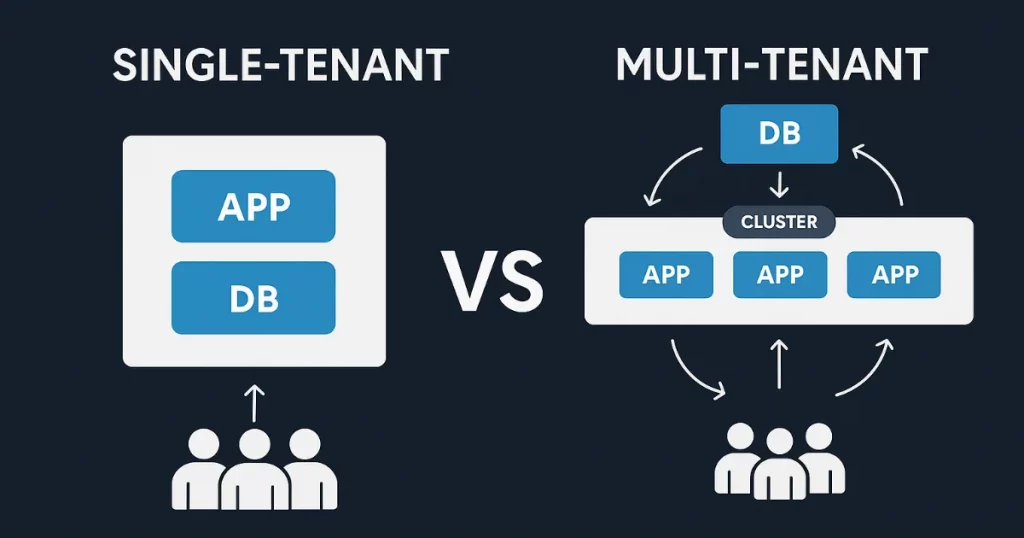
Tenancy in cloud computing refers to how cloud service providers allocate infrastructure and resources among their users. There are two primary models: multi-tenant and single-tenant. In a multi-tenant environment, multiple businesses share the same infrastructure, software instance, and storage, with logical separation of data. This model is cost-effective and scalable, making it ideal for startups […]
Cloud Backup vs Cloud Sync: What Your Business Needs
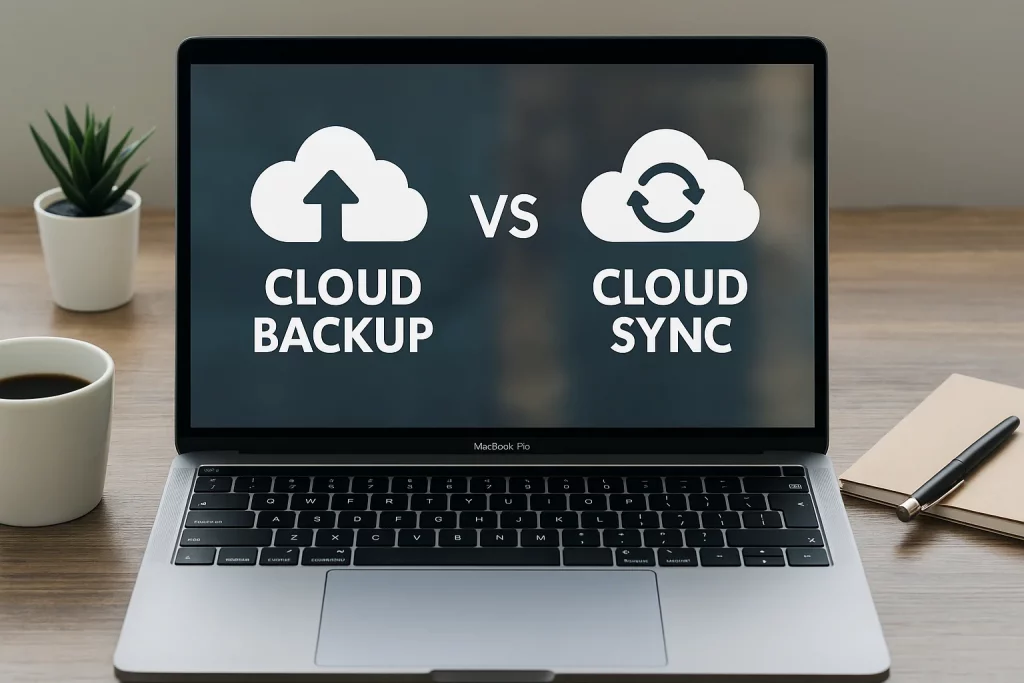
Cloud sync and cloud backup are not the same. Sync mirrors your files in real time, but offers no true protection from deletion, corruption, or ransomware. Backup creates time-based, restorable copies, critical for recovery. Most SMBs need both to stay safe and productive. Many businesses assume that storing files in Google Drive or OneDrive keeps […]
Google Drive vs OneDrive – Which Business Cloud Storage Is More Secure?

Google Drive and OneDrive both encrypt data and support business collaboration but differ in compliance and control. OneDrive offers deeper integration with Microsoft 365 and stronger admin tools, while Google Drive is simpler and faster for teams. Choose based on your risk and IT needs. What Security Protections Does Google Drive Offer for Business? Google […]
AWS 6 Rs Framework vs Microsoft Cloud Adoption Framework: Strategic Comparison for Cloud Migration Leaders

Choosing the Right Cloud Migration Framework: Strategy First, Tools Second Migrating to the cloud is no longer a technical decision. It’s a strategic one. Organizations moving from legacy systems to modern cloud environments must evaluate not only how to migrate but which framework aligns with their business priorities, workloads, and long-term architecture. Two of the […]
Common Mistakes Businesses Make When Applying the 6 Rs of Cloud Migration

The 6 Rs of cloud migration—Rehost, Replatform, Refactor, Repurchase, Retire, and Retain—form a strategic framework that helps organizations decide how to transition applications to the cloud. However, the effectiveness of the 6 Rs depends entirely on how accurately they are applied. Too often, businesses make critical mistakes by rushing, oversimplifying, or misclassifying workloads without proper […]
How to Choose the Right Cloud Migration Strategy for Your Business

Choosing the right cloud migration strategy is a critical decision that determines the stability, scalability, and cost-efficiency of your IT infrastructure. It is not just a technical task—it is a strategic alignment process between your applications, operational demands, and long-term business goals. With cloud adoption accelerating across every sector, organizations must go beyond generic lift-and-shift […]
End-to-End Cloud Migration Solutions Explained: The Full Lifecycle for Business-Ready Cloud Transformation

Moving business systems to the cloud is not a matter of uploading data. It is a full-scale transformation of your IT infrastructure, operational workflows, and risk posture. Whether your goal is remote access, scalability, cost efficiency, or compliance, successful migration depends on aligning cloud capabilities with how your business runs. This is where end-to-end cloud […]
The 6 Rs of Cloud Migration Strategy: Framework, Use Cases, and Deployment Models

Modern organizations no longer view cloud adoption as optional. The question is not whether to migrate, but how to execute cloud transformation without compromising performance, security, or continuity. Enterprises today manage a complex mix of legacy systems, hybrid infrastructure, and rapidly evolving business applications. To ensure technical and operational alignment, organizations must classify each workload […]
Business-Optimized Cloud Computing Solutions

How CitySource Helps You Stop Managing Infrastructure—and Start Running a Smarter Business Why Businesses Are Moving to the Cloud—But Still Getting Stuck Most companies don’t choose the cloud because it sounds trendy. They chose it because the old way stops working. Servers crash at the wrong time. Employees can’t access what they need remotely. Costs […]